Ten bushfire safety tips

- Individuals & Families
- Businesses
- Brokers

From your home and valuables, to prized collections and jewellery, you have a lot to insure. When you insure your home and contents with Chubb, you will receive a high level of service from an insurer who is specialised in working with successful individuals with high value assets.

For professionals in their first luxury apartment, villa or townhouse through to retirees downsizing from a family house, Masterpiece is also ideal for owners and tenants living in luxury apartments, villas and townhouses.

From high-value homes and fine art collections to luxury vehicles and more, we are here to help ensure that what you treasure most is treated with expertise.

With more than 25 years of experience providing travel insurance to Australians, Chubb Leisure Travel Insurance can help protect you and your family while you travel overseas, knowing Chubb support is there if an incident occurs.

Chubb leverages superior underwriting expertise and world renowned claims, account services, and financial strength to offer insurance solutions for small and medium businesses.

Today's multinational organizations face complex and interconnected risks. We offer insurance solutions that are tailored to global needs as well as local requirements, helping them address their risk challenges.

Our broker resources centre provides you with the latest updates, insights, sales tools, training and much more.
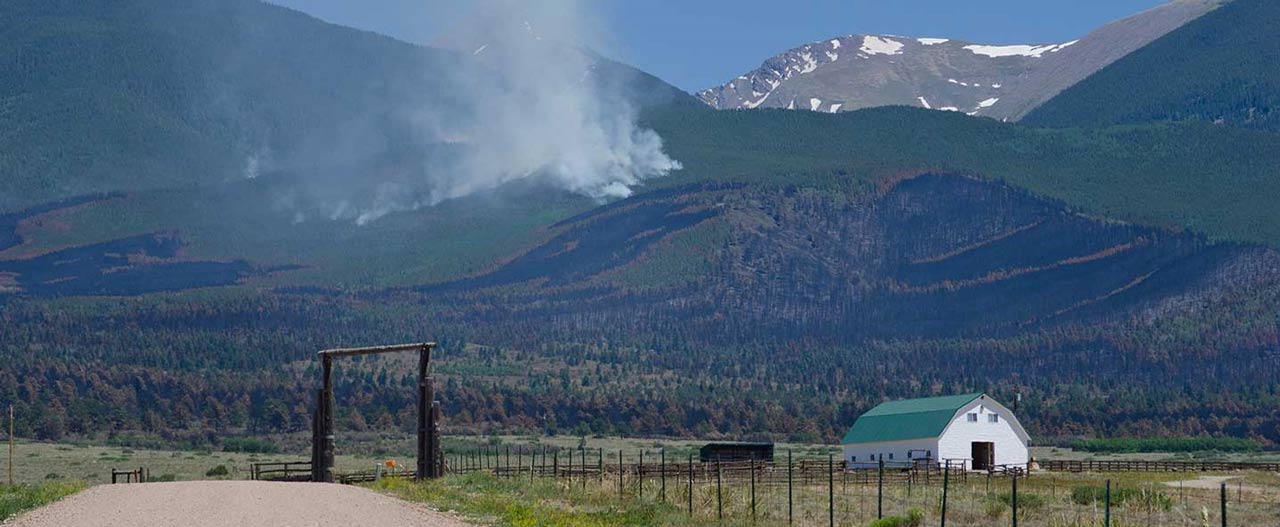
The Australian summer provides perfect conditions for barbeques, backyard cricket and trips to the beach. But unfortunately long periods of hot, dry weather also have a downside – the potential for bushfires.
Over the last 10 years, we have experienced several extreme bushfire seasons and after major bushfires threatened homes during winter, the Bureau of Meteorology has forecast a warm, dry spring for much of Australia. With many areas of the east coast, including the entire state of New South Wales, now a drought declared area, a severe bushfire season is again a possibility.
Despite bushfires being a common hazard of the Australian summer many property owners remain unprepared to mitigate the risk of damage to their property.
If you have a client in a bushfire prone area, here are 10 tips they can use to reduce their bushfire risk:
1. Prepare a bushfire survival plan
The Plan should outline the steps your client needs to take to ensure their safety. Remember to consider different situations – bushfire conditions change rapidly. Don’t just have a Plan A; also consider Plans B, C and D.
2. Understand bushfire danger ratings
Ensure your client is familiar with the meaning of different Bushfire Alerts levels and Fire Danger Ratings. This will help them determine when to trigger their Bushfire Survival Plan.
3. Identify neighbourhood safer places
Identify Neighbourhood Safer Places (NSP) close to the property and note their location in the Bushfire Survival Plan. NSPs are refuges of last resort in the event the Bushfire Survival Plan cannot be implemented. Consult the local fire authority for a list of NSPs in the area.
4. Cleanup outside
Keep outdoor combustibles to a minimum. Ensure dry foliage such as fallen leaves are cleared away, particularly from roofs and gutters. Trees overhanging buildings should be cut back where permitted.
5. Help firefighters with water supply
Swimming pools, water tanks and dams may serve as a vital water supply for firefighters. If your client has bulk water storage, display a Static Water Supply (SWS) sign at the property entrance.
6. Ensure building code requirements
Determine if client buildings are properly constructed for the level of bushfire risk. The National Construction Code (NCC) references AS 3959:2009 ‘Construction of buildings in bushfire-prone areas’ which sets out detailed bushfire zone construction requirements.’ Significant changes were made to AS 3959 after the Black Saturday Bushfires and older buildings may not comply.
7. Be ember safe
Embers can travel kilometres ahead of the fire front and are the leading cause of house fires during a bushfire. Simple measures such as installing AS 3959:2009 compliant mesh screens over windows, doors and other openings can improve the resistance of a property to ember attack.
8. Leave early
The safest option in a bushfire is to leave early. Don’t wait until it’s too late. Your client should strongly consider leaving early especially if they are not bushfire prepared, their property is not constructed for a bushfire, or a Catastrophic (Code Red in Victoria) Fire Danger Rating has been issued.
9. Preparation is vital
Choosing to stay and defend may place your client at serious risk. Not all properties can be defended. If your client chooses to stay, make sure they’re well prepared, and physically and emotionally capable of defending their property. If in doubt, they should leave early.
10. Talk to us
The Insurance Council of Australia (ICA) offers a bushfire checklist as well a range of other tips and useful advice.
Check out the ICA resources here: https://www.insurancecouncil.com.au/for-consumers/consumer-tips/bushfire-preparation
For further bushfire risk management tips and advice, please consult with your local fire authority.
Chubb Insurance also has a team of dedicated risk engineers who can assist your client in preparing for the bushfire season.
Please forward all queries to Risk.Engineering.au@chubb.com
Insights and Expertise

Lithium-ion batteries storage considerations
Water damage risk management

Six fundamental cyber security practices for any business
