
- Individuals & Families
- Businesses
- Brokers

From your home and valuables, to prized collections and jewellery, you have a lot to insure. When you insure your home and contents with Chubb, you will receive a high level of service from an insurer who is specialised in working with successful individuals with high value assets.

For professionals in their first luxury apartment, villa or townhouse through to retirees downsizing from a family house, Masterpiece is also ideal for owners and tenants living in luxury apartments, villas and townhouses.

From high-value homes and fine art collections to luxury vehicles and more, we are here to help ensure that what you treasure most is treated with expertise.

With more than 25 years of experience providing travel insurance to Australians, Chubb Leisure Travel Insurance can help protect you and your family while you travel overseas, knowing Chubb support is there if an incident occurs.

Chubb leverages superior underwriting expertise and world renowned claims, account services, and financial strength to offer insurance solutions for small and medium businesses.

Today's multinational organizations face complex and interconnected risks. We offer insurance solutions that are tailored to global needs as well as local requirements, helping them address their risk challenges.

Our broker resources centre provides you with the latest updates, insights, sales tools, training and much more.
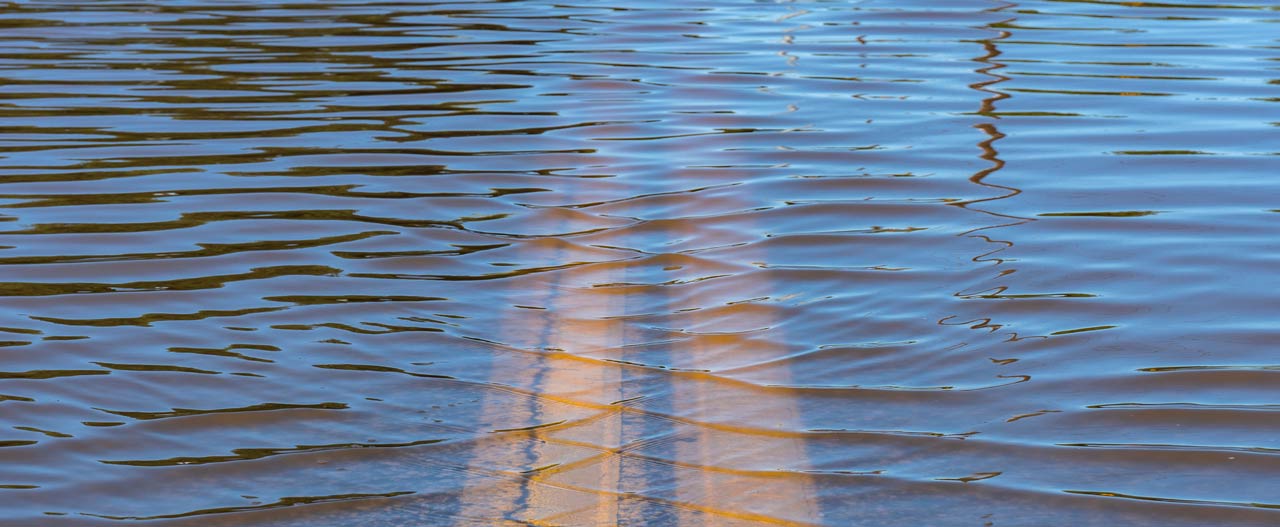
Flood damage can be mitigated if you and your family take precautionary measures. Here are some steps you can take before, during, and after a flood.
Before a flood
- Know the terms. Know the difference between a Flood Watch, meaning flooding is possible, and a Flood Warning, which means flooding is occurring or will occur soon. This will help you take necessary steps.
- Maintain an emergency supply kit that will sustain you and your family for a 72-hour period. This kit should include flashlights, a portable radio, extra batteries, non perishable food, bottled water, cash, blankets, clothing and toiletries.
- Keep all important papers such as legal papers, birth certificates, marriage license, financial papers, and insurance policy information in a safety deposit box, or fireproof and waterproof box on an upper floor inside the home.
- Have an evacuation plan. Flash flooding can occur quickly. Know where you and your family will go. If you have pets, plan for their evacuation as well.
- Elevate the furnace, water heater, and electric panel if susceptible to flooding.
- Seal walls in basements with waterproofing compounds to avoid seepage.
During a flood
- If the threat of flood exists, move to higher ground.
- Secure your home. If you have time, bring in outdoor furniture. Move essential items to an upper floor.
- Turn off utilities at the main switches or valves if instructed to do so. Disconnect electrical appliances. Do not touch electrical equipment if you are wet or standing in water.
After a flood
- Before entering a flooded area or home, ensure electricity to your home is not "live."
- After a storm or flood, hire a licensed electrician to inspect appliances and equipment before powering them back up.
- Avoid tap water until you learn that your community's water supply is safe to drink.
- Avoid floodwaters as water may be contaminated by oil, gasoline, or raw sewage. Water may also be electrically charged from underground or downed power lines.
- Avoid driving through water on the roads.
- Be aware of areas where floodwaters have receded. Roads may have weakened and could collapse under the weight of a car.
- Be mindful of fallen trees and debris, which can conceal downed power lines or poles .Stay away from downed power lines, and report them to the power company.
- Return home only when authorities indicate it is safe.
- Stay out of any building if it is surrounded by floodwaters.
- Use extreme caution when entering buildings. There may be hidden damage, particularly in foundations.
- Service damaged septic tanks, cesspools, pits, and leaching systems as soon as possible. Damaged sewage systems are serious health hazards.
- Clean and disinfect everything that got wet. Mud left from floodwater can contain sewage.
FEMA website
This information is advisory in nature. No liability is assumed by reason of the information in this document.
Insights and Expertise

Introducing the new face of wealth in Australia

The importance of reappraising fine art and collections to current value

Having a baby? 5 ways to protect your new family
How to prevent fires, inside and outside the home
Recycle your electronics, instead of chucking them
Tips for jewellery appraisals, insurance, and daily care
This content is brought to you by Chubb Insurance Australia Limited (“Chubb”) as a convenience to readers and is not intended to constitute advice (professional or otherwise) or recommendations upon which a reader may rely. Any references to insurance cover are general in nature only and may not suit your particular circumstances. Chubb does not take into account your personal objectives, financial situation or needs and any insurance cover referred to is subject to the terms, conditions and exclusions set out in the relevant policy wording. Please obtain and read carefully the relevant insurance policy before deciding to acquire any insurance product. A policy wording can be obtained at www.chubb.com/au, through your broker or by contacting any of the Chubb offices. Chubb makes no warranty or guarantee about the accuracy, completeness, or adequacy of the content. Readers relying on any content do so at their own risk. It is the responsibility of the reader to evaluate the quality and accuracy of the content. Reference in this content (if any) to any specific commercial product, process, or service, and links from this content to other third party websites, do not constitute or imply an endorsement or recommendation by Chubb and shall not be used for advertising or service/product endorsement purposes. ©2026 Chubb Insurance Australia Limited ABN: 23 001 642 020 AFSL: 239687. Chubb®, its logos, and Chubb.Insured.SM are protected trademarks of Chubb.