
- Individuals & Families
- Businesses
- Brokers

From your home and valuables, to prized collections and jewellery, you have a lot to insure. When you insure your home and contents with Chubb, you will receive a high level of service from an insurer who is specialised in working with successful individuals with high value assets.

For professionals in their first luxury apartment, villa or townhouse through to retirees downsizing from a family house, Masterpiece is also ideal for owners and tenants living in luxury apartments, villas and townhouses.

From high-value homes and fine art collections to luxury vehicles and more, we are here to help ensure that what you treasure most is treated with expertise.

With more than 25 years of experience providing travel insurance to Australians, Chubb Leisure Travel Insurance can help protect you and your family while you travel overseas, knowing Chubb support is there if an incident occurs.

Chubb leverages superior underwriting expertise and world renowned claims, account services, and financial strength to offer insurance solutions for small and medium businesses.

Today's multinational organizations face complex and interconnected risks. We offer insurance solutions that are tailored to global needs as well as local requirements, helping them address their risk challenges.

Our broker resources centre provides you with the latest updates, insights, sales tools, training and much more.

Many types of collecting categories such as fine art have experienced strong increases in value over the last decade. While some collectors enjoy closely tracking their ‘passion assets’ along with other investments in their portfolio, many others are not attuned to fluctuations in desirability and market value, preferring simply to enjoy these objects.
The need for reappraisal
For insurance purposes, it is essential that up-to-date values be reflected in insurance policies. Collecting categories in need of specific valuations include, but are not limited to:
- Fine art
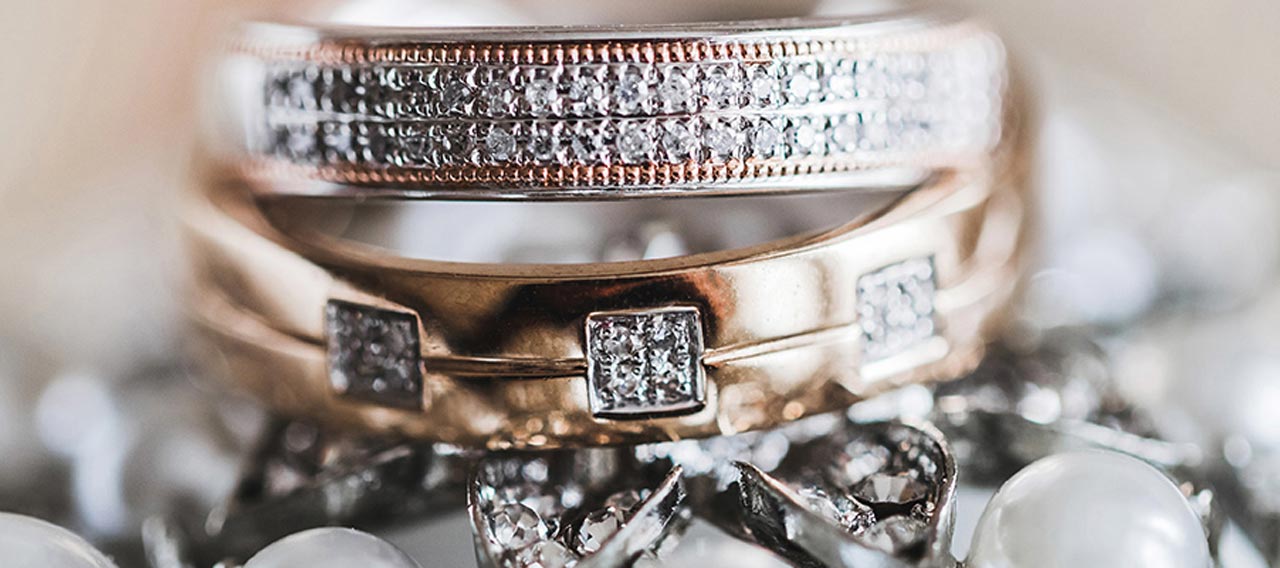
- Jewellery and watches
- Wine and spirits
- Football cards and sports memorabilia
- Stamps and coins
- Classic cars
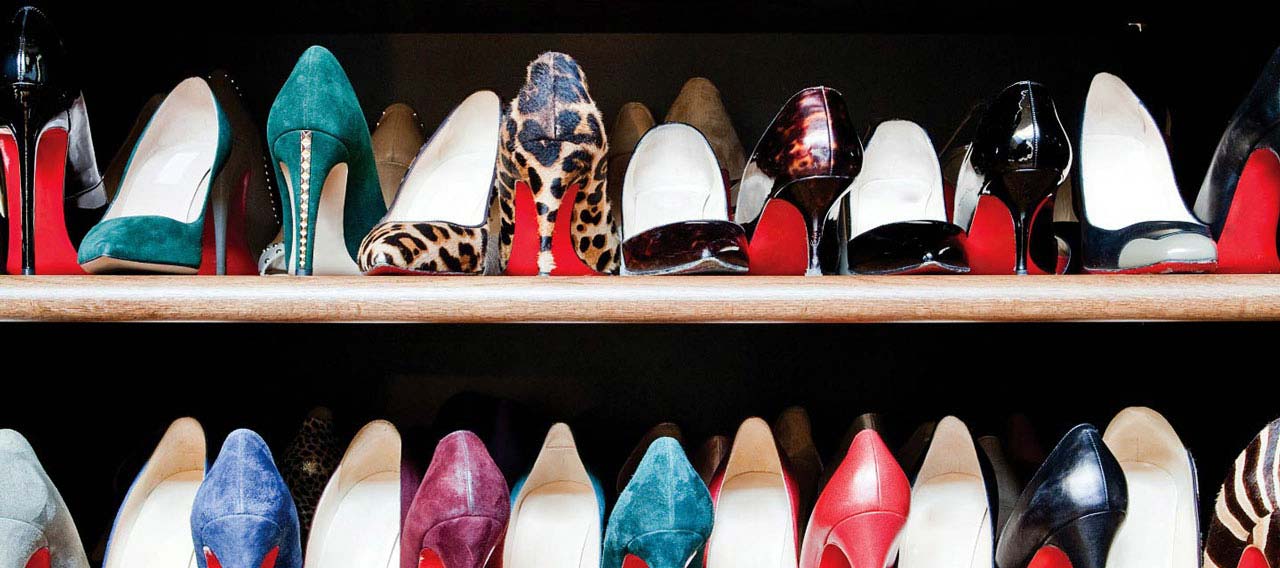
- Luxury handbag collections and other similar collectibles
- Rare books and manuscripts
Chubb recommends obtaining reappraisals more often for collecting categories experiencing higher volatility. Keep in mind that policy provisions and premiums will differ depending on value and the collecting category. Some fine art policies, for example, will pay over a scheduled amount to accommodate rapid appreciation in value.
Chubb’s Risk Consultant team may be able to provide guidance on when to seek a reappraisal, depending on the type of asset and the pace of its market. This best practice helps ensure that a collector receives the appropriate replacement cost (if applicable) for an item in the event of an unforeseen covered loss such as theft or accidental damage.
Finding a qualified appraiser
There are many nuances to the fine art and luxury collectible markets, including changing trends in taste. Given the complexity of these markets, it is essential to identify a skilled appraiser who can accurately value the unique nature of an asset in the context of its category. Generally, the best appraisers possess a combination of education and experience in their area of professional focus.
Depending on the nature of an object being assessed, an appraiser with highly specific expertise may be necessary. For example, an appraiser specialising in Old Master paintings may not be an appropriate choice for valuing an artistically significant modernist sculpture.
Collectors can search for qualified appraisers via the membership databases of appraisal organisations focusing on tangible personal property:
Auctioneers and Valuers Association of Australia →
Each organisation has different levels of accreditation and certification that reflect an appraiser’s knowledge and experience.
Understanding valuation methods
There are several types of value an appraiser may employ depending on the purpose of the assignment.
For insurance scheduling, retail replacement value (RRV) should generally be relied upon because it accounts for the urgency of procuring a similar item in the event of a loss. When a claim occurs, an item should be replaced promptly, generally by sourcing it from a retail setting rather than through a secondary market venue, such as an auction. RRV also accounts for fees, taxes, and associated services such as framing.
By contrast, fair market value (FMV) or secondary market value is subjective and can depend on a variety of conditions, as well as how much it would sell in today’s market.
Due to these factors, RRV is often higher than FMV. However, there are instances, particularly pertaining to the markets for pre-owned timepieces and Ultra-Contemporary Art1, where the retail value may be lower than the secondary market value due to market availability. Clients with exclusive access to a limited-edition luxury collectible may find that their original purchase price is significantly less than the resale value on the secondary market, where a wider audience could vie for the item. In these cases, the appraiser will evaluate the appropriate marketplace for determining the right replacement cost for the object.
1 Widely defined as art created by contemporary artists born after 1975, and/or younger than 40 years old.
Insights and Expertise

Introducing the new face of wealth in Australia

Five essential strategies for managing your art collection
Assessing the value of your wardrobe

Importance of a property appraisal
Tips on caring and safeguarding your jewellery

Having a baby? 5 ways to protect your new family
This content is brought to you by Chubb Insurance Australia Limited (“Chubb”) as a convenience to readers and is not intended to constitute advice (professional or otherwise) or recommendations upon which a reader may rely. Any references to insurance cover are general in nature only and may not suit your particular circumstances. Chubb does not take into account your personal objectives, financial situation or needs and any insurance cover referred to is subject to the terms, conditions and exclusions set out in the relevant policy wording. Please obtain and read carefully the relevant insurance policy before deciding to acquire any insurance product. A policy wording can be obtained at www.chubb.com/au, through your broker or by contacting any of the Chubb offices. Chubb makes no warranty or guarantee about the accuracy, completeness, or adequacy of the content. Readers relying on any content do so at their own risk. It is the responsibility of the reader to evaluate the quality and accuracy of the content. Reference in this content (if any) to any specific commercial product, process, or service, and links from this content to other third party websites, do not constitute or imply an endorsement or recommendation by Chubb and shall not be used for advertising or service/product endorsement purposes. ©2026 Chubb Insurance Australia Limited ABN: 23 001 642 020 AFSL: 239687. Chubb®, its logos, and Chubb.Insured.SM are protected trademarks of Chubb.