
- Individuals & Families
- Businesses
- Partners & Advisers
- Get a Quote

Masterpiece® is Chubb’s prestige home and contents insurance offering for people with significant assets to insure who appreciate a premium level of cover and service that is customisable to their needs.

Chubb's cover options for your leisure travel.

Chubb leverages superior underwriting expertise and world renowned claims, accounts services, and financial strength to offer solutions for small and medium businesses.
Backed by our product breadth, financial strength and global network, we offer customised cover for your varied needs so that you can focus on growing your business.

Here to support you and the important work that you do.

Whether you’re a distributor or broker, you can be assured of our corporate capabilities when you partner with Chubb.
Chubb Travel Insurance establishes relationships with partners to provide personal travel insurance cover for their clients.

If you’d like to get protection from the comfort of your own kitchen, Chubb Life makes it easy. Get an instant quote from our simple online tool. You’ll be surprised about how little time it may take.

Chubb Leisure Travel Insurance can help you and your family enjoy your time overseas, knowing that should an incident happen you are Chubb-insured and there is assistance at hand.

Managing the risk
The following should be considered:
- Exterior and interior security
- Decommissioning and recommissioning protocols
- Building condition monitoring
- Protective system supervision and maintenance
- Review of risk management protocols
External areas
- Implement enhanced exterior security including physical measures and guarding protocols
- Remove all excess materials and combustibles such as rubbish bins and idle pallets from around the building
- Trim and maintain vegetation to prevent overgrowth
- Check the roof for vegetation growth, clogged drains or signs of vandalism
- Maintain exterior lighting to deter crime or vandalism
Internal areas
- Provide intrusion, fire and liquid leakage detection for unattended areas. Detection systems should signal to a constantly attended location or monitoring service
- Ensure that safety related equipment (including emergency lighting, fire extinguishers, etc.) is maintained in an operable condition
- Minimise the quantities of combustible materials on-site. Hazardous materials should be removed from the premises
- Valuable items should be removed or secured in dedicated and controlled areas
- Interior doors should be closed and secured where applicable
Risk management protocols
- Decommissioning of building services may be considered but should not expose the facility to heating, fire and or security protection outages
- Recommissioning plans should be established
- Maintenance protocols for protective systems (including sprinklers, fire alarms, fire doors, intrusion alarms, CCTV systems, etc.) should continue to be in accordance with recognised standards and manufacturers recommendations. Deviations from normal protocols should be agreed in advance with Chubb Risk Engineering Services
- Machinery and equipment should be decommissioned in a controlled manner to minimise the risk of damage and facilitate future recommissioning. Plans for appropriate maintenance regimes (including statutory and preventative requirements) should be established. It may be necessary to catch up on deferred maintenance prior to recommissioning
- Plans should be established for reduced staffing at monitoring services, security guarding, emergency response and support for previously established response procedures
- Contingency plans for utility and infrastructure failure or availability limitations should be reviewed
- Building inspection protocols should be maintained, with at least weekly inspections of unattended areas recommended
- Critical hygiene and pest control protocols should continue to be maintained
- Protective systems impairments should continue to be reported to Chubb via email at fireimpairment.au@chubb.com
Insights and expertise
Understanding pandemics and protecting your business in a health emergency
Rising medical inflation in Asia Pacific

Creating a safe and healthy home office
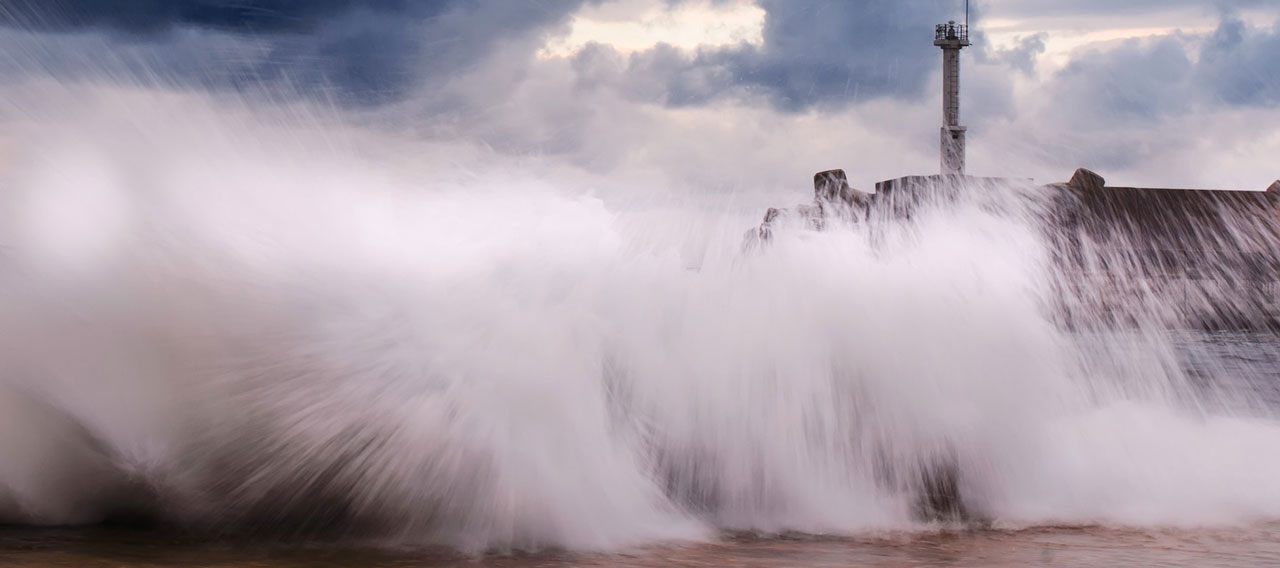
Reflections on catastrophe
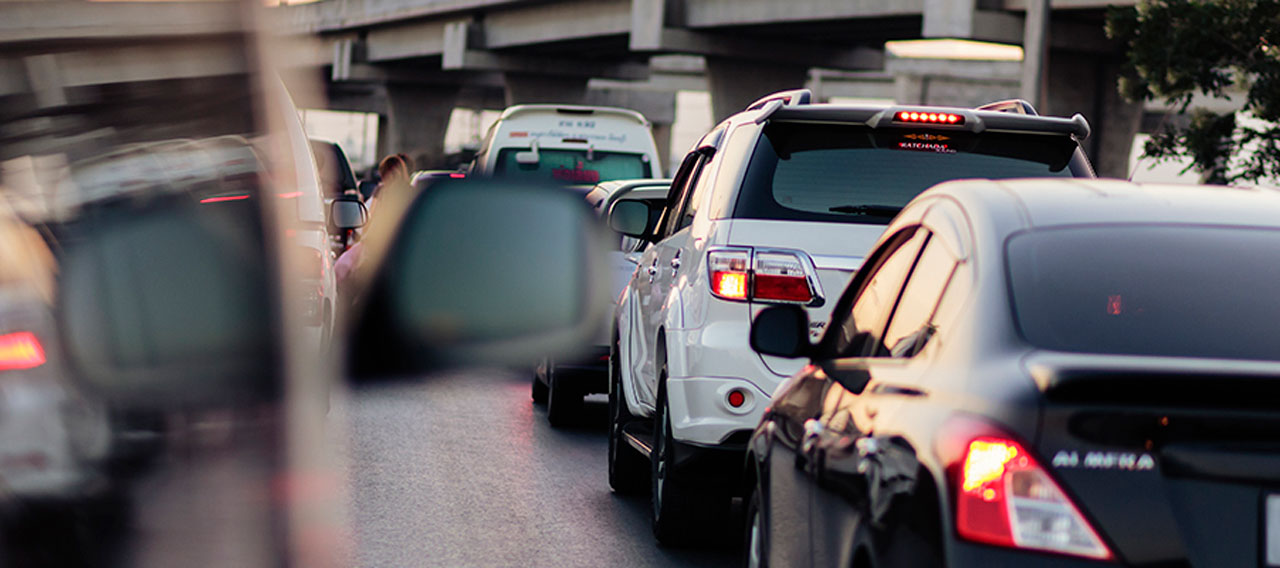
Self-drive on your business travel

Supporting the mental and physical health of your remote workforce
This content is brought to you by Chubb Insurance New Zealand Limited (“Chubb”) as a convenience to readers and is not intended to constitute advice (professional, financial or otherwise) or recommendations upon which a reader may rely. Any references to insurance cover are general in nature only and may not suit your particular circumstances. Chubb does not take into account your personal objectives, financial situation or needs and any insurance cover referred to is subject to the terms, conditions and exclusions set out in the relevant policy wording. Please obtain and read carefully the relevant insurance policy before deciding to acquire any insurance product. A policy wording can be obtained at www.chubb.com/nz-en through your broker or by contacting any of the Chubb offices. Chubb makes no warranty or guarantee about the accuracy, completeness, or adequacy of the content. Readers relying on any content do so at their own risk. It is the responsibility of the reader to evaluate the quality and accuracy of the content. Reference in this content (if any) to any specific commercial product, process, or service, and links from this content to other third party websites, do not constitute or imply an endorsement or recommendation by Chubb and shall not be used for advertising or service/product endorsement purposes. ©2026 Chubb Insurance New Zealand Limited Company No. 104656 FSP No. 35924. Chubb®, its logos, and Chubb.Insured.℠ are protected trademarks of Chubb.