
- Particuliers et Familles
- Entreprises
- Courtiers

Pour plusieurs, la fin de l’hiver rime avec ménage du printemps.
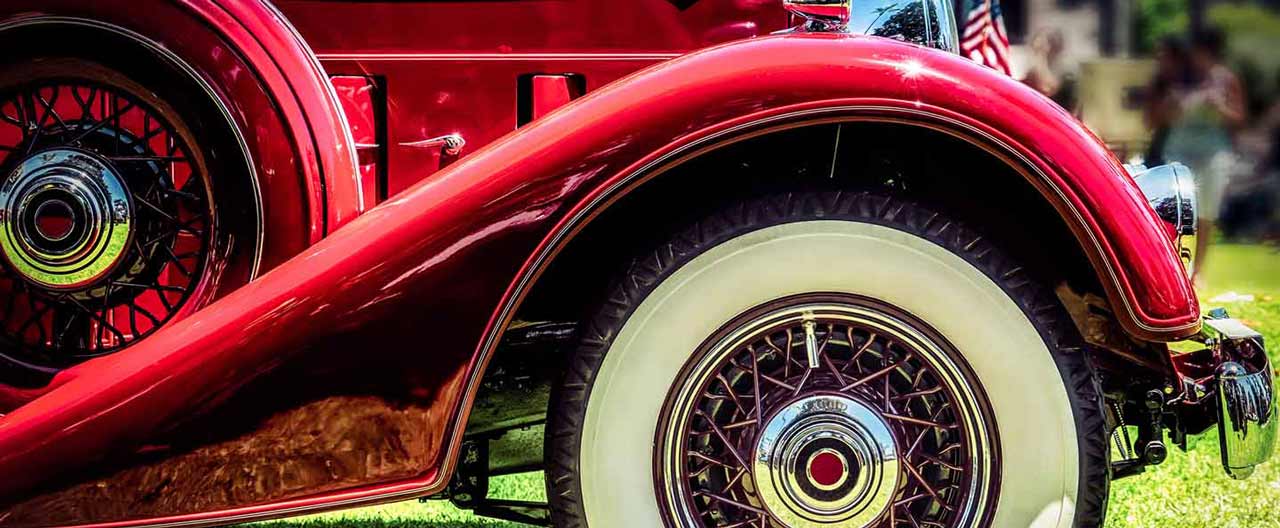
Ne manquez pas de protéger vos classiques contre les dommages ou l’usure.

Conserver vos papiers importants et vos petits objets de valeur à l’abri.

Depuis plus d’un siècle, nous offrons une stabilité et une protection sans égal pour divers types d’embarcations.

Voici quelques conseils à suivre pour aider les pompiers et limiter les dommages à votre habitation.


If you’re considering starting a wine collection, either for enjoyment or as an investment (or both), there are six important questions you’ll want to ask yourself before you get started:
1. What will I buy?
Consider buying the best you can afford. Invest in wines from producers with an established record, that have a true global secondary market. If you’re buying for investment, you’re better off buying only a few bottles of a better wine than cases of a lesser quality vintage. The majority of investment-grade wines come from Bordeaux, Burgundy, Champagne, Tuscany, and the Rhone regions.
2. Where will I buy it?
A wine’s provenance is important. Only purchase wine from known and reputable sources that can confirm how the wine has been stored, from its bottling through its present location. Knowing the wine’s chain of ownership and storage conditions can help you ensure that it has not been exposed to any events that may have damaged or prematurely aged it and can limit the possibility of purchasing fraudulent wine.
3. Where will I store it?
It’s important to determine how you will store the wine before you purchase it. That’s because where and how a wine is stored will affect its long-term health and therefore its value. Wine does best in a cellar with a consistent temperature of roughly 55-60º F [13-16°C] and a humidity level of 65-70%. Ideally, wine should be stored at a professional facility. However, if you decide to store it at home, make sure you have a proper climate-control system and insulation in place to protect the wine. Be careful storing it in a basement, as you may run the risk of exposing it to water or mould.
4. How long will I keep it?
Wine is an organic asset with a limited lifespan and a peak drinking time window. Depending on the producer, region, and vintage of the wine, there is often a period during which the wine is considered not ready to drink (premature), a period during which it is in peak drinking range, and a period during which it is on a slow decline in terms of drinkability and therefore value. If you’re buying wine as an investment, be prepared to wait six to 10 years or longer. That’s because fine wine not only matures and improves over time, it also becomes more rare and desirable, which can drive its price higher.
5. How will it be valued?
If you plan to invest in wine, you’ll need to understand the difference between replacement values (how much it would cost to replace the wine if it was stolen or broken) and fair market values (how much you could get if you sell the wine). Plus, you will want to incorporate transaction costs (brokerage or auction fees) and carrying fees (such as storage and insurance) into your calculations, as these will affect how much you can make if you sell it.
6. What are the risks?
While wine can be a good way to diversify a portfolio because its price isn’t tied to the stock or bond markets, it can also be a risky and expensive investment. That’s because wine can age too fast or too slow, depending on how its stored, and can easily break if not handled correctly. Like any investment, returns are not guaranteed for wine, though the market for fine wine has performed well in recent years.
Sources:
www.wineadvise.com
Points de vue et expertise

La puissance du marché des souvenirs sportifs

Six conseils pour protéger votre collection de whisky

6 façons de protéger vos renseignements personnels en ligne
Le présent document est fourni à titre indicatif et se veut complémentaire à l’accompagnement de vos conseillers professionnels en assurance pour la mise en place d’un programme de prévention. Elle offre un simple survol et ne saurait remplacer la consultation de votre courtier d’assurance ni des conseils juridiques, professionnels ou de génie.
Le nom commercial Chubb désigne les filiales de Chubb Limited qui fournissent de l’assurance et des services connexes. Pour consulter la liste de ces filiales, visitez notre site Internet à https://chubb.com/ca-fr. L’assurance est fournie par Chubb du Canada Compagnie d’Assurance ou Chubb du Canada Compagnie d’Assurance-Vie (collectivement, « Chubb du Canada »). Les produits ne sont pas nécessairement offerts dans toutes les provinces ou tous les territoires. La présente communication n’est qu’un résumé des produits. La garantie réelle est régie par le libellé du contrat d’assurance émis.