- Individuals & Families
- Businesses
- Partners & Advisers
- Get a Quote

Masterpiece® is Chubb’s prestige home and contents insurance offering for people with significant assets to insure who appreciate a premium level of cover and service that is customisable to their needs.

Chubb's cover options for your leisure travel.

Chubb leverages superior underwriting expertise and world renowned claims, accounts services, and financial strength to offer solutions for small and medium businesses.

Backed by our product breadth, financial strength and global network, we offer customised cover for your varied needs so that you can focus on growing your business.

Here to support you and the important work that you do.

Whether you’re a distributor or broker, you can be assured of our corporate capabilities when you partner with Chubb.

Chubb Travel Insurance establishes relationships with partners to provide personal travel insurance cover for their clients.

If you’d like to get protection from the comfort of your own kitchen, Chubb Life makes it easy. Get an instant quote from our simple online tool. You’ll be surprised about how little time it may take.

Chubb Leisure Travel Insurance can help you and your family enjoy your time overseas, knowing that should an incident happen you are Chubb-insured and there is assistance at hand.
Underinsurance is a major opportunity for advisers
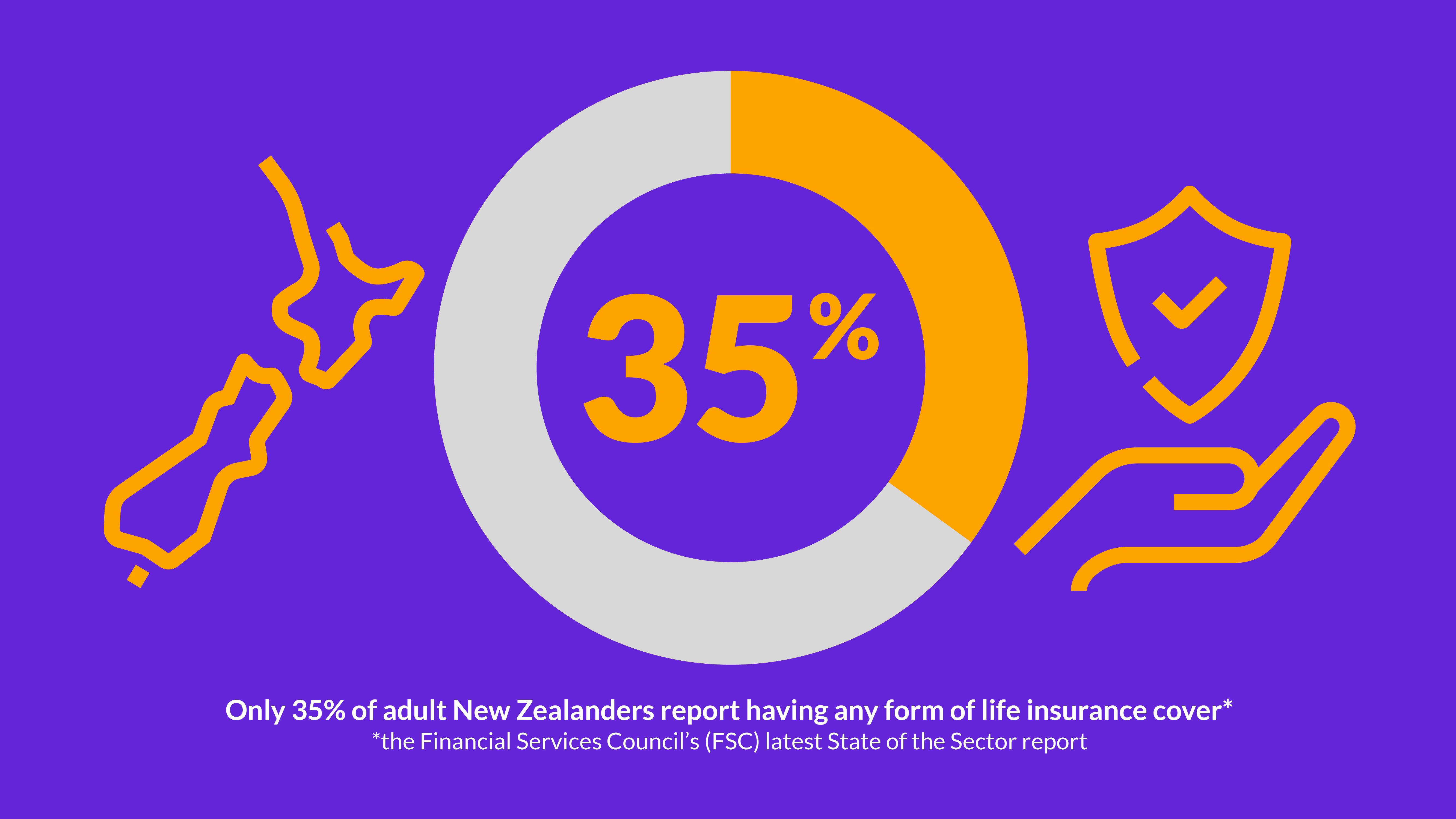
The Financial Services Council’s latest State of the Sector report is a timely reminder that New Zealand remains significantly underinsured by global standards and that financial advisers are at the frontline of helping change that.
The February 2026 report shows that only around 35% of New Zealand adults say they currently hold some form of life insurance - even though 4.13 million life insurance covers are in force across the market. Those are sobering figures. As the report notes, New Zealand continues to rank among the least insured countries in the OECD.
The comparison with Australia shows how far New Zealand has to catch up. Most adult working Australians have some form of life cover via default enrolment through their compulsory superannuation system. Even so, Australian industry bodies consistently warn about the levels of underinsurance across the Tasman. The Australian experience is a reminder that “having some cover” is not the same as having the right cover.
Kiwi financial advisers are singularly well placed to address our underinsurance problem. The FSC data reinforces the central role advisers already play. Life and health insurance are the most common product categories for which regulated financial advice is provided in New Zealand, underlining the profession’s importance in improving household financial resilience.
For Advisers, the opportunity is not simply to encourage more customers to take out life insurance. It’s to help customers understand whether their protection matches the risks they’re most likely to face at their current stage of life.
That‘s particularly relevant for younger and mid-life customers. The report shows life insurance uptake rises significantly in the 30–49 age groups, with 45% of 30–39 year olds and 43% of 40–49 year olds currently holding cover, compared with 26% of those aged 29 and under.
Many customers in these groups may already have some term life cover – often put in place around a mortgage, a new family, or through an earlier financial review. But for many, the more immediate financial threat is not death, it’s being unable to work because of illness.
A cancer diagnosis, heart condition or serious mental health event can remove an income far more suddenly – and often far more plausibly at that life stage – than customers expect. That creates a powerful conversation for Advisers: not just “Do you have cover?” but “Would your family be financially secure if illness stopped you earning for six months, a year, or longer?”
That shift in framing can open more meaningful discussions about whether a customer’s protection mix is too heavily weighted toward death cover and not sufficiently supported by income protection, trauma or permanent disability cover.
At Chubb Life, we believe Advisers are central to closing New Zealand’s underinsurance gap – one trusted customer conversation at a time.