
- Individuals & Families
- Businesses
- Brokers

From your home and valuables, to prized collections and jewellery, you have a lot to insure. When you insure your home and contents with Chubb, you will receive a high level of service from an insurer who is specialised in working with successful individuals with high value assets.

For professionals in their first luxury apartment, villa or townhouse through to retirees downsizing from a family house, Masterpiece is also ideal for owners and tenants living in luxury apartments, villas and townhouses.

From high-value homes and fine art collections to luxury vehicles and more, we are here to help ensure that what you treasure most is treated with expertise.

With more than 25 years of experience providing travel insurance to Australians, Chubb Leisure Travel Insurance can help protect you and your family while you travel overseas, knowing Chubb support is there if an incident occurs.

Chubb leverages superior underwriting expertise and world renowned claims, account services, and financial strength to offer insurance solutions for small and medium businesses.

Today's multinational organizations face complex and interconnected risks. We offer insurance solutions that are tailored to global needs as well as local requirements, helping them address their risk challenges.

Our broker resources centre provides you with the latest updates, insights, sales tools, training and much more.
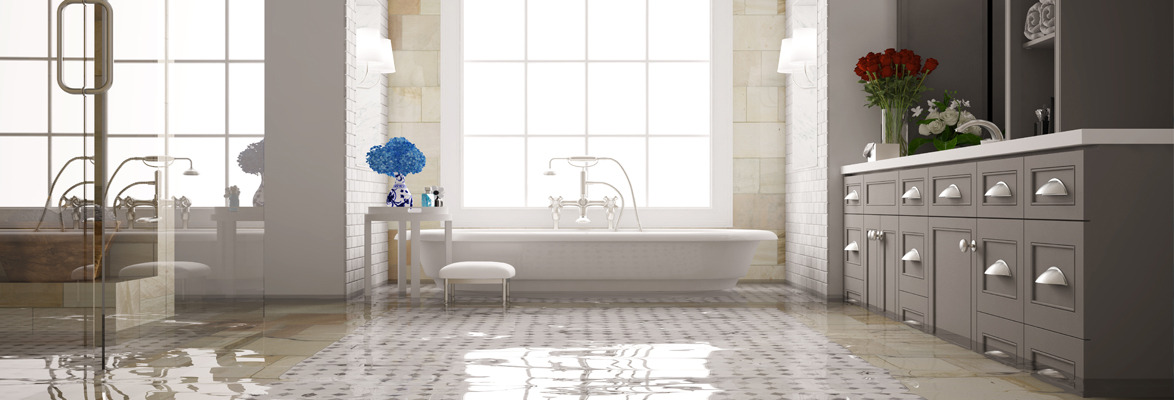
Many homeowners install locks, alarms and smoke detectors to safeguard their properties against theft and fire – yet they often leave their homes vulnerable to a more common and costly risk: internal water damage.
Currently one of the leading causes of property loss in Australia, internal water damage has surpassed fire and burglary in both frequency and cost. At the heart of this issue is the failure of an often overlooked, but critical component: the flexible plumbing hose, or 'flexi-hose'.
Flexi-hoses connect water supply lines to a variety of household fixtures such as sinks, toilets, dishwashers, washing machines, fridges, and water filters. These hoses – often braided metal, hard plastic or thin tubing – operate under constant mains water pressure.
A ruptured flexi-hose can release up to 1,500 litres of water per hour. If the rupture occurs on an upper level of a home or while the property is unoccupied, water can cascade through the building, causing extensive damage in a matter of hours.
In addition to burst flexi-hoses, faulty appliances, blocked gutters, and clogged drains are also major contributors to water damage in Australian homes. Beyond the financial burden, the disruption can be significant, with many families having to vacate their homes for extended periods while repair work takes place.
To minimise the risk of internal water damage and avoid the potential inconvenience and cost of repairs, consider these 10 proactive steps to protect your home:
1. Inspect your plumbing systems
Plumbing supply systems are a primary contributor to internal water damage. Regular inspections help identify potential issues such as leaks, damage and corrosion. Chubb has established a panel of reputable licenced plumbers who are trained in conducting thorough Plumbing Health Checks.
2. Check the quality of your flexi-hoses
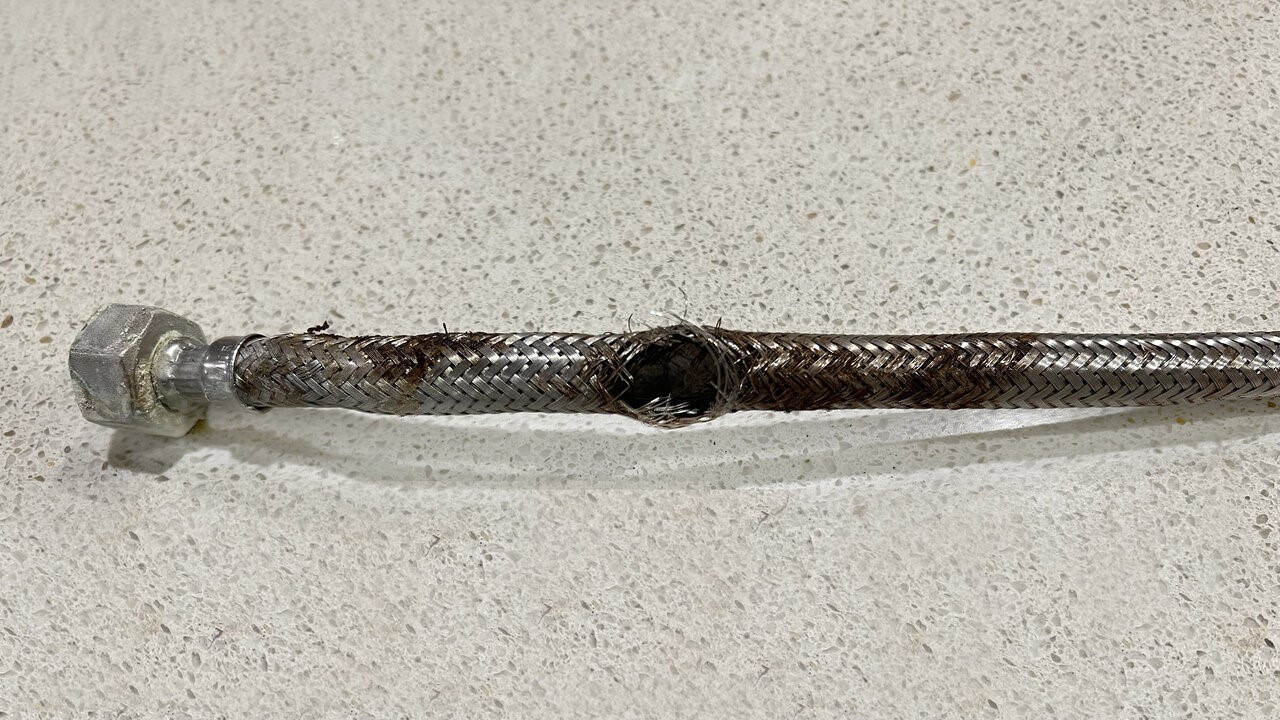
If you notice any signs of leakage or corrosion on your flexi-hoses, they need to be replaced immediately. Even minor wear can lead to a sudden burst, which has the potential to flood your home. When replacing a flexi-hose, always choose a high-quality product that meets the Australian Standard Certification AS 3499:2022. All hoses should be installed by a licensed plumber to ensure proper fitting and compliance with regulations.
3. Replace any flexi-hoses that exceed 10 years of age
Flexi-hoses should be replaced every 5-10 years – even if they appear to be in good condition. Proactive replacement is far less costly than emergency repairs and the potential disruption of a flooded home.
4. Install automatic shut-off valves
Shut-off valves, particularly the automatic models, detect unusual water flow – a sign of a leak or burst pipe – and instantly shut off the main water supply. These can be particularly useful when you are away from home.
5. Turn off water when you are away from home
To help prevent water damage while you are away from home, it is important to turn off the water supply at each wet area. Depending on the nature of your plumbing configuration, you may be able to isolate the water supply by shutting off stop taps found under your sinks or on connected appliances. In the same way we turn off the lights and activate our home alarms, this is a simple step you can do before going on vacation which will significantly reduce the risk of leaks.
6. Monitor your water pressure
Water pressure at any outlet should not exceed 500kPa, as required by Australian Plumbing Standard: AS/NZS 3500.1:2021. Excessively high water pressure can cause pipes and appliances to fail, increasing the risk of leaks, property damage and unnecessary water wastage.
7. Ensure household chemicals are stored safely
Storing cleaning products under sinks can accelerate the corrosion of the metal braiding in flexi-hoses. Many household chemicals, particularly chlorine-based chemicals, create hydrochloric acid when exposed to humidity. This acidic environment corrodes the stainless-steel braiding, increasing the risk of hose failure and in turn potential water damage.
8. Check air conditioning units
Regular maintenance and inspections are essential to keep your AC unit running effectively and to prevent leaks. A major air conditioner leak can damage walls, floors and ceilings, promote mould growth and even compromise the structural integrity of your home. To reduce the risk of these leaks, routinely check for cracked pipes, faulty pumps, and ensure that drip trays are clean and drain lines are clear and unobstructed.
9. Maintain watertight seal in baths and shower recesses
Checking and resealing the areas around baths and showers is another simple yet effective maintenance step which can prevent water damage. A poorly sealed area may allow water to seep into the surrounding walls, floors, below ceilings and nearby fixtures. This can lead to mould growth and gradually weaken supporting structures.
10. Periodically inspect external walls and floors
Regularly inspect your home’s foundation walls and surrounding garden areas for signs of excessive moisture, as this may indicate a problem with your stormwater drainage. Left unaddressed, poor drainage can undermine the structural integrity of your home’s foundation and lead to other forms of water damage.
Water damage can be both financially and emotionally disruptive, often striking unexpectedly and spreading quickly. The good news is that these 10 proactive measures can significantly lower the risk – and in many cases, prevent incidents entirely.
Chubb’s Masterpiece policy provides superior levels of cover for homes, contents, fine art and jewellery, family protection and personal liability. To determine the right level of coverage for you and for more expert advice on water damage, fire and theft, please visit Masterpiece Homeowners Insurance.

Ready to find out more?
Learn more about our Chubb Masterpiece Home and Contents Insurance.
Contact us on 1800 958 233 or complete this short form and one of our Customer Service Representatives will contact you.
Insights and Expertise

Introducing the new face of wealth in Australia

The importance of reappraising fine art and collections to current value

6 ways to protect your personal information online

3 tips for protecting yourself while gaming

Tips for avoiding identity theft

Tips for understanding homeownership risks
This content is brought to you by Chubb Insurance Australia Limited (“Chubb”) as a convenience to readers and is not intended to constitute advice (professional or otherwise) or recommendations upon which a reader may rely. Any references to insurance cover are general in nature only and may not suit your particular circumstances. Chubb does not take into account your personal objectives, financial situation or needs and any insurance cover referred to is subject to the terms, conditions and exclusions set out in the relevant policy wording. Please obtain and read carefully the relevant insurance policy before deciding to acquire any insurance product. A policy wording can be obtained at www.chubb.com/au, through your broker or by contacting any of the Chubb offices. Chubb makes no warranty or guarantee about the accuracy, completeness, or adequacy of the content. Readers relying on any content do so at their own risk. It is the responsibility of the reader to evaluate the quality and accuracy of the content. Reference in this content (if any) to any specific commercial product, process, or service, and links from this content to other third party websites, do not constitute or imply an endorsement or recommendation by Chubb and shall not be used for advertising or service/product endorsement purposes. ©2026 Chubb Insurance Australia Limited ABN: 23 001 642 020 AFSL: 239687. Chubb®, its logos, and Chubb.Insured.SM are protected trademarks of Chubb.
Masterpiece is issued and underwritten by Chubb Insurance Australia Limited ABN 23 001 642 020, AFSL No. 239687. This content is general advice only. Please consider your objectives, financial situation or needs and the Masterpiece Product Disclosure Statement (PDS) and Policy Wording and Target Market Determination (TMD) to decide if this product is right for you. Terms, conditions, exclusions and limits apply.