
- Individuals & Families
- Businesses
- Brokers

From your home and valuables, to prized collections and jewellery, you have a lot to insure. When you insure your home and contents with Chubb, you will receive a high level of service from an insurer who is specialised in working with successful individuals with high value assets.

For professionals in their first luxury apartment, villa or townhouse through to retirees downsizing from a family house, Masterpiece is also ideal for owners and tenants living in luxury apartments, villas and townhouses.

From high-value homes and fine art collections to luxury vehicles and more, we are here to help ensure that what you treasure most is treated with expertise.

With more than 25 years of experience providing travel insurance to Australians, Chubb Leisure Travel Insurance can help protect you and your family while you travel overseas, knowing Chubb support is there if an incident occurs.

Chubb leverages superior underwriting expertise and world renowned claims, account services, and financial strength to offer insurance solutions for small and medium businesses.

Today's multinational organizations face complex and interconnected risks. We offer insurance solutions that are tailored to global needs as well as local requirements, helping them address their risk challenges.

Our broker resources centre provides you with the latest updates, insights, sales tools, training and much more.

If you’re planning a home maintenance or renovation project, don’t let your dreams go up in smoke before the work is finished. Fire, including spontaneous combustion, poses a real and dangerous risk.
With approximately one-third of house fires caused by a third party working in the home, homeowners should educate and supervise all contractors to avoid potential fire hazards. Help safeguard your home by sharing these 10 simple fire safety tips with your contractor or other workers.
1. Discard oily rags properly.
Oil and solvent-soaked rags may spontaneously combust, even under normal weather conditions; the warmer the weather, the quicker the rags can reach ignition temperature. Used rags or wiping cloths should NEVER be allowed to pile up around a house, garage or construction site.
2. Safely store products and supplies.
Paints and solvents should not be kept near heat-generating equipment such as furnaces, water heaters or vehicles.
3. Keep the work site clean and dispose of materials properly.
Waste material, packing materials, wood shavings must be removed daily. DO NOT:
Use fires as a disposal method.
Ball up, pile, stack or fold any wiping cloth, rag, towel, drop cloth, steel wool or piece of work clothing that becomes moistened or wet due to contact with a solvent-based material.
Toss used rags into a rubbish bin or plastic bucket.
4. Know what flammable materials are being used.
Ask that all flammable paints be kept off the site if possible.
5. Avoid portable heaters.
According to Fire & Rescue NSW, portable heaters are a significant cause of home fires in Australia, with electrical appliances and faults accounting for almost 40% of residential fires. Flammable items placed too close to a heater are the most common cause of fires.
6. Initiate a no smoking policy.
Smoking is the single most common cause of fire-related fatalities. This also applies to e-cigarettes and vaping devices.
7. Ensure there is a fire extinguisher on site.
Make readily accessible firefighting equipment such as fire extinguishers, hoses, hydrants and emergency water tanks—and make sure everyone knows how and when to use it. Water extinguishers should not be used on electrical fires, for example.
8. Implement a fire alarm procedure.
In the event of a fire, determine who will be responsible for calling the fire department, who will deal with the fire, and who will set the evacuation plan in motion.
9. Follow gas cylinder safety protocols.
If gas cylinders are being handled, ask that they are safely secured in an upright position and fitted with a regulator and flashback arrester.
10. Implement “hot work” guidelines.
Hot work involves working with ignition sources near flammable materials, such as welding, soldering and cutting. Make sure your building team clears the work area of combustible material and that wooden floors are properly covered before doing any hot work.
Insights and Expertise

Five essential strategies for managing your art collection

The importance of reappraising fine art and collections to current value

How to insure your jewellery before you travel
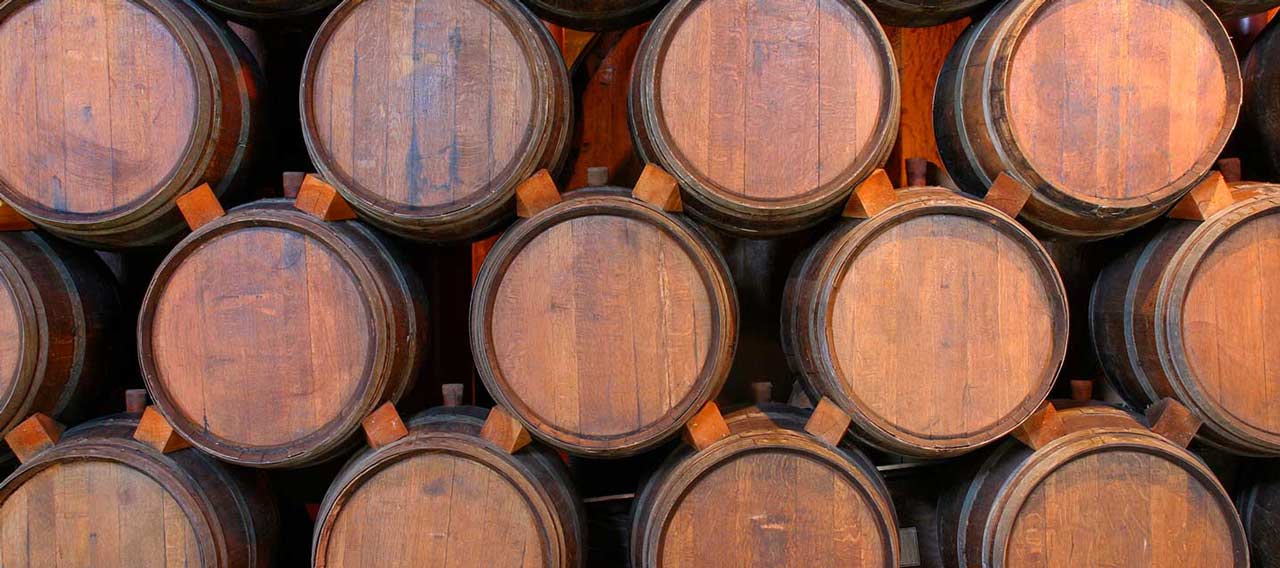
Five factors that make wine valuable | Chubb in Australia
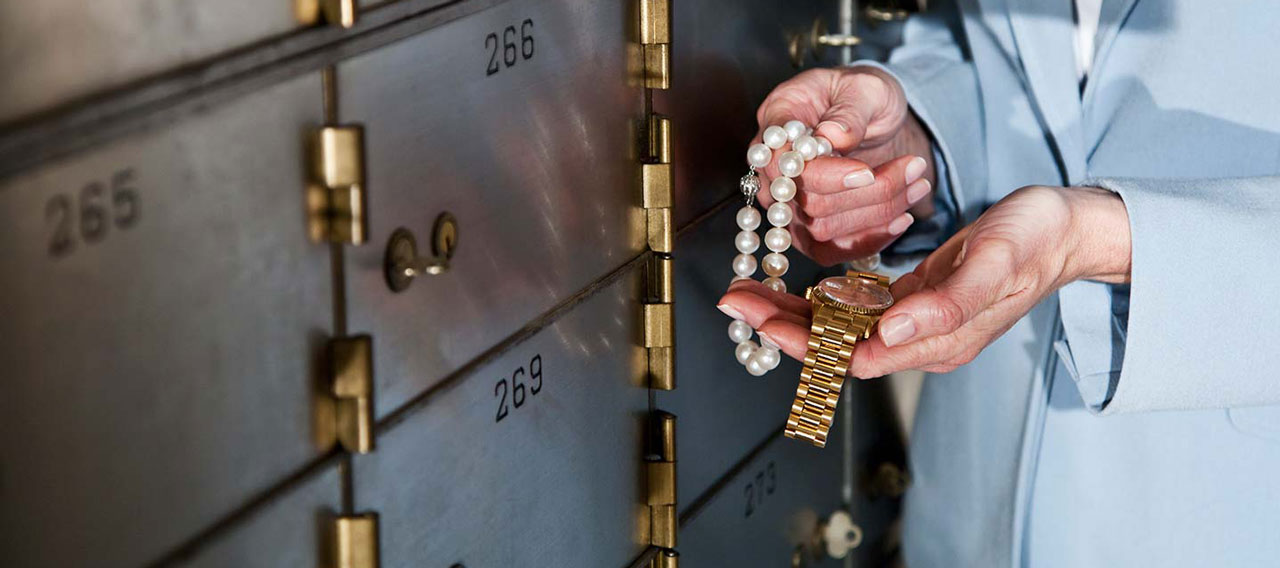
Tips for traveling with fine jewelry and watches

Six tips to protect your whisky collection
This content is brought to you by Chubb Insurance Australia Limited (“Chubb”) as a convenience to readers and is not intended to constitute advice (professional or otherwise) or recommendations upon which a reader may rely. Any references to insurance cover are general in nature only and may not suit your particular circumstances. Chubb does not take into account your personal objectives, financial situation or needs and any insurance cover referred to is subject to the terms, conditions and exclusions set out in the relevant policy wording. Please obtain and read carefully the relevant insurance policy before deciding to acquire any insurance product. A policy wording can be obtained at www.chubb.com/au, through your broker or by contacting any of the Chubb offices. Chubb makes no warranty or guarantee about the accuracy, completeness, or adequacy of the content. Readers relying on any content do so at their own risk. It is the responsibility of the reader to evaluate the quality and accuracy of the content. Reference in this content (if any) to any specific commercial product, process, or service, and links from this content to other third party websites, do not constitute or imply an endorsement or recommendation by Chubb and shall not be used for advertising or service/product endorsement purposes. ©2026 Chubb Insurance Australia Limited ABN: 23 001 642 020 AFSL: 239687. Chubb®, its logos, and Chubb.Insured.SM are protected trademarks of Chubb.