
- Individuals & Families
- Businesses
- Brokers

From your home and valuables, to prized collections and jewellery, you have a lot to insure. When you insure your home and contents with Chubb, you will receive a high level of service from an insurer who is specialised in working with successful individuals with high value assets.

For professionals in their first luxury apartment, villa or townhouse through to retirees downsizing from a family house, Masterpiece is also ideal for owners and tenants living in luxury apartments, villas and townhouses.

From high-value homes and fine art collections to luxury vehicles and more, we are here to help ensure that what you treasure most is treated with expertise.

With more than 25 years of experience providing travel insurance to Australians, Chubb Leisure Travel Insurance can help protect you and your family while you travel overseas, knowing Chubb support is there if an incident occurs.

Chubb leverages superior underwriting expertise and world renowned claims, account services, and financial strength to offer insurance solutions for small and medium businesses.

Today's multinational organizations face complex and interconnected risks. We offer insurance solutions that are tailored to global needs as well as local requirements, helping them address their risk challenges.

Our broker resources centre provides you with the latest updates, insights, sales tools, training and much more.

Small and medium enterprises (SMEs) across the region have experienced unprecedented growth in recent years, accounting for 96 percent of firms in ASEAN member states (ASEAN SME Policy Index). This is despite tough conditions such as increased political risks, higher business costs and a tighter labour market making it more difficult to attract the right talent.
As the business landscape across Asia-Pacific rapidly changes and expands, SMEs are exposed to even greater risks. Increased globalisation has created a greater need for business travel; workplace health and safety regulations have become more stringent; and cyber-attacks are now a common threat for businesses of all sizes. A recent Frost & Sullivan study commissioned by Microsoft revealed that, in 2017, cybersecurity threats cost organisations in Singapore US$17.7 billion in economic losses. The study also reported that one in two organisations (53%) in Singapore have either experienced a cyber-attack, or are unsure if they had a security incident. Across Asia Pacific, potential economic losses due to cyber security breaches can amount to a staggering US$1.745 trillion, more than seven percent of the region’s total GDP of US$24.3 trillion. However, despite these significant figures and increased risks, many SMEs are inadequately equipped with sufficient insurance coverage to keep their businesses afloat should an incident occur.
The need for adequate insurance to help businesses grow and succeed in the region has never been greater.
So how does insurance support the growth of SMEs?
- It plays a significant role in risk management by mitigating threats. Although most SMEs have insurance such as public liability to satisfy contract conditions or landlord requirements, many don’t have adequate insurance policies that indemnify them against other financial or asset losses.
- It can provide much needed financial support for complex business exposure risks, such as reputational risks, trade secret risks, political or regulatory risks.
- It is crucial for sustainability. SMEs are unlikely to afford large losses caused by business interruptions or closures, loss of income, supply-chain delays or damage to neighbouring properties.
For SMEs, insurance premiums may seem high and insurance coverage complex, with many SME owners not having a proper understanding of the risks, or how underinsurance can be catastrophic to them.
Insights and expertise
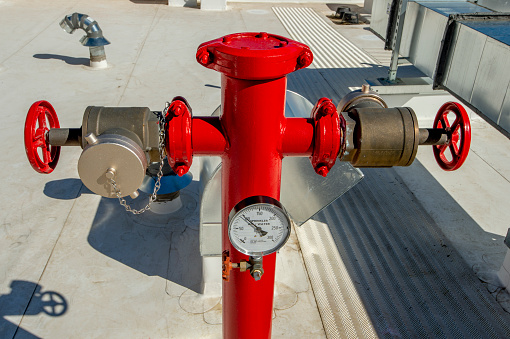
Effective life safety emergency procedures and features
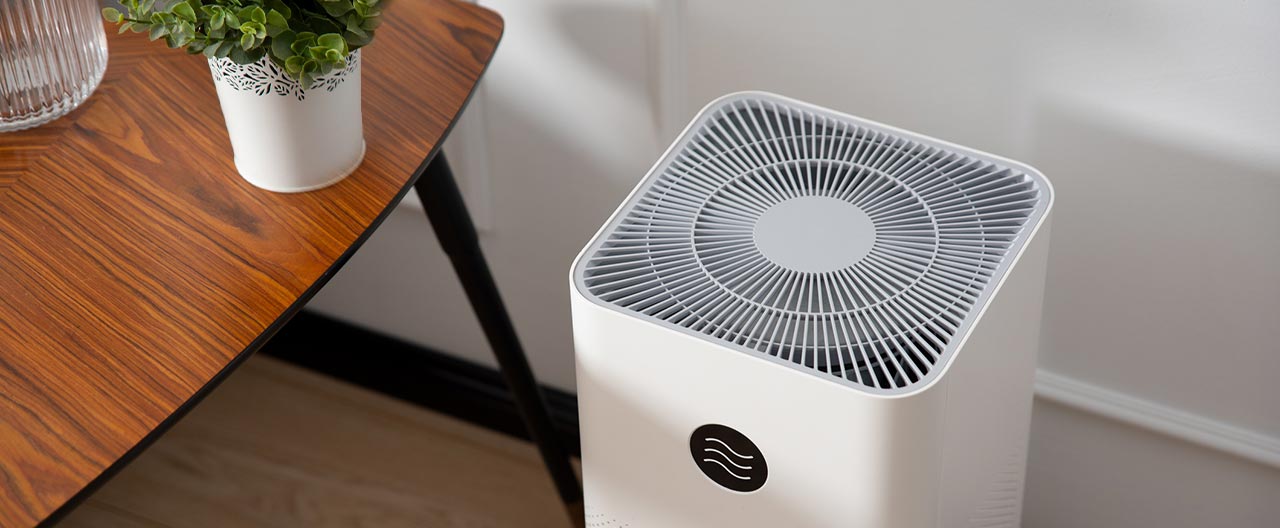
The importance of air conditioner maintenance
Maintaining sprinkler and fire detection systems
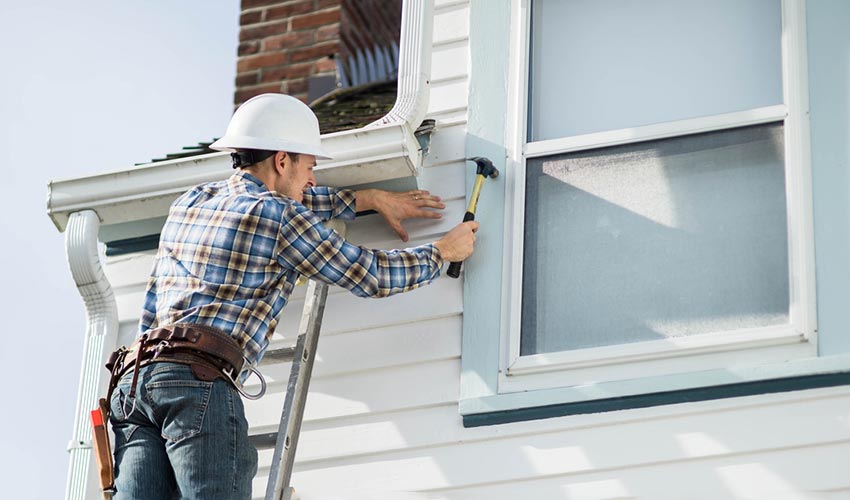
How to enhance controls when hiring maintenance contractors
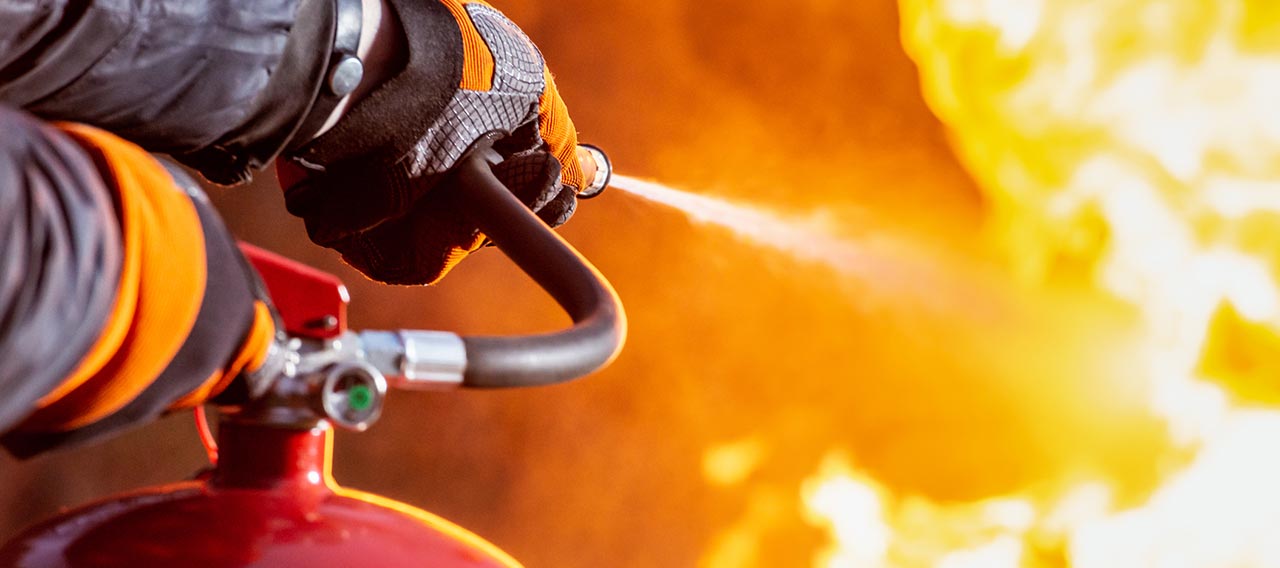
Common equipment and occupancy fire hazards

Importance of adequately maintaining your recreational facilities
This content is brought to you by Chubb Insurance Australia Limited (“Chubb”) as a convenience to readers and is not intended to constitute advice (professional or otherwise) or recommendations upon which a reader may rely. Any references to insurance cover are general in nature only and may not suit your particular circumstances. Chubb does not take into account your personal objectives, financial situation or needs and any insurance cover referred to is subject to the terms, conditions and exclusions set out in the relevant policy wording. Please obtain and read carefully the relevant insurance policy before deciding to acquire any insurance product. A policy wording can be obtained at www.chubb.com/au, through your broker or by contacting any of the Chubb offices. Chubb makes no warranty or guarantee about the accuracy, completeness, or adequacy of the content. Readers relying on any content do so at their own risk. It is the responsibility of the reader to evaluate the quality and accuracy of the content. Reference in this content (if any) to any specific commercial product, process, or service, and links from this content to other third party websites, do not constitute or imply an endorsement or recommendation by Chubb and shall not be used for advertising or service/product endorsement purposes. ©2026 Chubb Insurance Australia Limited ABN: 23 001 642 020 AFSL: 239687. Chubb®, its logos, and Chubb.Insured.SM are protected trademarks of Chubb.