
- Individuals & Families
- Businesses
- Brokers

From your home and valuables, to prized collections and jewellery, you have a lot to insure. When you insure your home and contents with Chubb, you will receive a high level of service from an insurer who is specialised in working with successful individuals with high value assets.

For professionals in their first luxury apartment, villa or townhouse through to retirees downsizing from a family house, Masterpiece is also ideal for owners and tenants living in luxury apartments, villas and townhouses.

From high-value homes and fine art collections to luxury vehicles and more, we are here to help ensure that what you treasure most is treated with expertise.

With more than 25 years of experience providing travel insurance to Australians, Chubb Leisure Travel Insurance can help protect you and your family while you travel overseas, knowing Chubb support is there if an incident occurs.

Chubb leverages superior underwriting expertise and world renowned claims, account services, and financial strength to offer insurance solutions for small and medium businesses.

Today's multinational organizations face complex and interconnected risks. We offer insurance solutions that are tailored to global needs as well as local requirements, helping them address their risk challenges.

Our broker resources centre provides you with the latest updates, insights, sales tools, training and much more.
The “Internet of Things” (IoT) is a revolution with the potential to improve industrial and business efficiency, customer satisfaction, and company profitability. However with new technologies come unfamiliar business risks — risks that must be managed and mitigated.
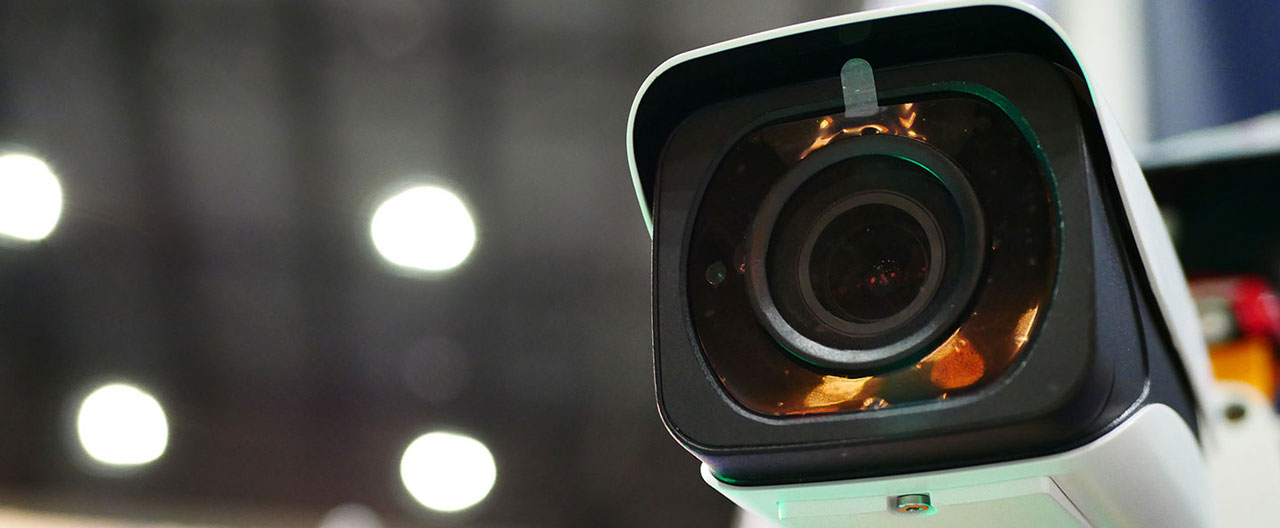
The IoT consists of a wide variety of data collecting and control sensors that are connected to the internet. These include thermometers, cameras, GPS devices, security devices, sensors and a host of other “smart” devices. The applications for IoT in business are rapidly expanding.
IoT risks
As valuable as IoT systems are, they are also vulnerable. When a device is hacked or fails, there’s usually a business — and sometimes a human — cost to pay. Just a few examples are:
- Cyber security breach — IoT systems may use sensitive data or control important functions — such as a computer network, an electrical grid or online retail shopping system. Hackers target and breach these with the intention of stealing data — often disrupting business for days and opening the company up for legal action.
- Product loss — Incorrect temperature data might mean that perishable goods are spoiled, which creates financial harm and possible injury to customer relationships.
- Manufacturing defects — An IoT error could lead to production glitches which often take some time to detect. If substandard products or parts end up in the marketplace, it can subject both the parts and the product manufacturers to financial and legal exposure.
- Property damages — An alarm or sprinkler system malfunction can result in damage to business facilities and content losses.
- Human cost — Bad data in the medical sector can have disastrous patient privacy or even mortality consequences. An IoT failure or hack can open a healthcare system to onerous liabilities as well as to long-lasting reputational damage.

How to manage your IoT risks
- Treat IoT devices as you would any other network attached piece of hardware. Conduct regular tests to verify the security of the equipment. Remember that IoT devices could be the weak entry point into your wider network.
- Get risk advice from your broker. An IoT project may present completely new and unfamiliar types of risks to your business. A qualified insurance representative will be familiar with the particulars of what threats to look for.
- Update your business insurance to cover IoT risks. Consider all the risks an IoT project presents, and establish what may not be covered by existing policies. For example, even if you already have cyber coverage it may not be sufficient to mitigate many of the risks you identify.
Insights and expertise

Essential tips for purchasing cyber insurance

Australia SME Cyber Preparedness Report 2019

Top five cyber tips for SMEs

Cyber Case Studies for SMEs
This content is brought to you by Chubb Insurance Australia Limited (“Chubb”) as a convenience to readers and is not intended to constitute advice (professional or otherwise) or recommendations upon which a reader may rely. Any references to insurance cover are general in nature only and may not suit your particular circumstances. Chubb does not take into account your personal objectives, financial situation or needs and any insurance cover referred to is subject to the terms, conditions and exclusions set out in the relevant policy wording. Please obtain and read carefully the relevant insurance policy before deciding to acquire any insurance product. A policy wording can be obtained at www.chubb.com/au, through your broker or by contacting any of the Chubb offices. Chubb makes no warranty or guarantee about the accuracy, completeness, or adequacy of the content. Readers relying on any content do so at their own risk. It is the responsibility of the reader to evaluate the quality and accuracy of the content. Reference in this content (if any) to any specific commercial product, process, or service, and links from this content to other third party websites, do not constitute or imply an endorsement or recommendation by Chubb and shall not be used for advertising or service/product endorsement purposes. ©2026 Chubb Insurance Australia Limited ABN: 23 001 642 020 AFSL: 239687. Chubb®, its logos, and Chubb.Insured.SM are protected trademarks of Chubb.