
- Individuals & Families
- Businesses
- Brokers

From your home and valuables, to prized collections and jewellery, you have a lot to insure. When you insure your home and contents with Chubb, you will receive a high level of service from an insurer who is specialised in working with successful individuals with high value assets.

For professionals in their first luxury apartment, villa or townhouse through to retirees downsizing from a family house, Masterpiece is also ideal for owners and tenants living in luxury apartments, villas and townhouses.

From high-value homes and fine art collections to luxury vehicles and more, we are here to help ensure that what you treasure most is treated with expertise.

With more than 25 years of experience providing travel insurance to Australians, Chubb Leisure Travel Insurance can help protect you and your family while you travel overseas, knowing Chubb support is there if an incident occurs.

Chubb leverages superior underwriting expertise and world renowned claims, account services, and financial strength to offer insurance solutions for small and medium businesses.

Today's multinational organizations face complex and interconnected risks. We offer insurance solutions that are tailored to global needs as well as local requirements, helping them address their risk challenges.

Our broker resources centre provides you with the latest updates, insights, sales tools, training and much more.
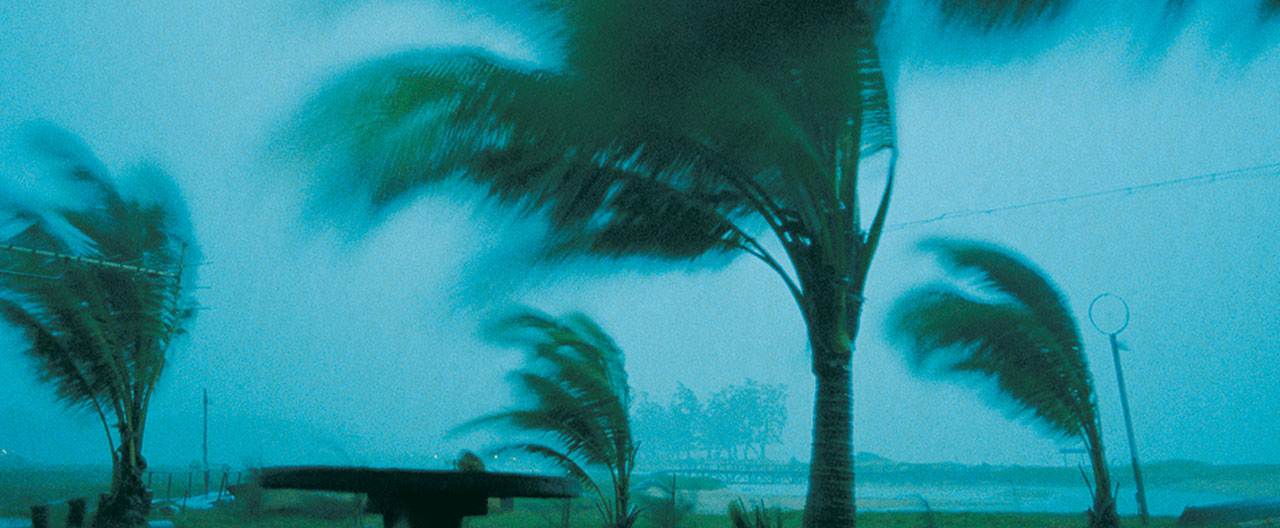
A Tropical Cyclone is an intense tropical storm characterised by violent winds, dangerous storm surge, torrential rain and flooding.
These extreme weather events can be highly destructive, causing severe damage to buildings and property, interrupting business activities and endangering lives.
According to data published by the Insurance Council of Australia, Cyclone Debbie (2017) and Cyclone Yasi (2011) each resulted in estimated insured losses in excess of $1.5 billion.
Fortunately, advances in technology and weather tracking have made it easier to detect these storms before they make landfall.
Proper preparation can help to dramatically reduce damage and avoid the loss of life.
Here are Chubb’s top 10 tips to help you prepare for the Australian cyclone season (from November to April).
Cyclone preparation tips
- Establish an Emergency Action Plan that considers prevention, warnings, emergency response, evacuation criteria, facility shut down, disaster recovery, and key personnel. Activate this plan when a tropical cyclone watch is issued.
- Designate an Emergency Coordinator and Emergency Action Team as appropriate. Ensure that team members know their roles and responsibilities and that you have appropriate emergency equipment and materials available and in good working order.
- Ensure that you know how to contact emergency services and other agencies such as Emergency Management Australia.
- Confirm that you can receive weather warnings and emergency information broadcast via the media. Know the contact numbers for the Bureau of Meteorology telephone weather service.
- Ensure that you have a Business Continuity or Disaster Recovery Plan in place.
- Inspect your facility to ensure that key areas such as roofs and sheds are properly secured and in good condition. Clear gutters and downpipes. Ensure drain pumps are operating correctly. Secure all equipment stored outside.
- Identify and perform preventative maintenance on back up equipment such as emergency generators. Ensure that sufficient fuel is available for this equipment.
- Follow instructions issued by local emergency services.
- Restore any damaged fire protection and security equipment and systems at the earliest opportunity. Notify Chubb Risk Engineering Services of any fire protection system impairments.
- If any cutting, welding, or other hot work is involved in post-cyclone recovery work ensure that hot work management procedures are in place. You can download the Chubb hot work permit here.
For further advice on cyclone preparation and safety procedures, we recommend reading this useful checklist published by the Bureau of Meteorology: http://www.bom.gov.au/cyclone/about/checklist.shtml
Chubb also has a team of dedicated risk engineers who can assist you in preparing for the cyclone season.
For more information, please contact Risk.Engineering.au@chubb.com
Insights and Expertise

Challenges and opportunities in an evolving workplace
Reduced occupancy arson and malicious damage control

4 technologies to improve workplace safety

5 keys to driving business success
What businesses should know about water damage

Protecting employees during the COVID-19 pandemic
This content is brought to you by Chubb Insurance Australia Limited (“Chubb”) as a convenience to readers and is not intended to constitute advice (professional or otherwise) or recommendations upon which a reader may rely. Any references to insurance cover are general in nature only and may not suit your particular circumstances. Chubb does not take into account your personal objectives, financial situation or needs and any insurance cover referred to is subject to the terms, conditions and exclusions set out in the relevant policy wording. Please obtain and read carefully the relevant insurance policy before deciding to acquire any insurance product. A policy wording can be obtained at www.chubb.com/au, through your broker or by contacting any of the Chubb offices. Chubb makes no warranty or guarantee about the accuracy, completeness, or adequacy of the content. Readers relying on any content do so at their own risk. It is the responsibility of the reader to evaluate the quality and accuracy of the content. Reference in this content (if any) to any specific commercial product, process, or service, and links from this content to other third party websites, do not constitute or imply an endorsement or recommendation by Chubb and shall not be used for advertising or service/product endorsement purposes. ©2026 Chubb Insurance Australia Limited ABN: 23 001 642 020 AFSL: 239687. Chubb®, its logos, and Chubb.Insured.SM are protected trademarks of Chubb.