
It’s hard to go a few days of scanning the news without hearing about a major data breach, potentially exposing millions of customers’ personal data to criminals. Here are a few tips to ensure your personal information doesn’t end up in the wrong hands.
1. Create strong passwords
When creating a password, think beyond words or numbers that a cybercriminal could easily figure out, like your birthday. Choose combinations of lower and upper-case letters, numbers, and symbols and change them periodically. It’s also better to create a unique password instead of using the same password across multiple sites—a password manager tool can help you keep track.
2. Don't overshare on social media
We all have that one friend who posts too many intimate details of their life online. Not only can this be annoying, but it can also put your personal information at risk. Check your privacy settings so you are aware of who’s seeing your posts, and be cautious when posting your location, hometown, birthday, or other personal details.
3. Use free Wi-Fi with caution
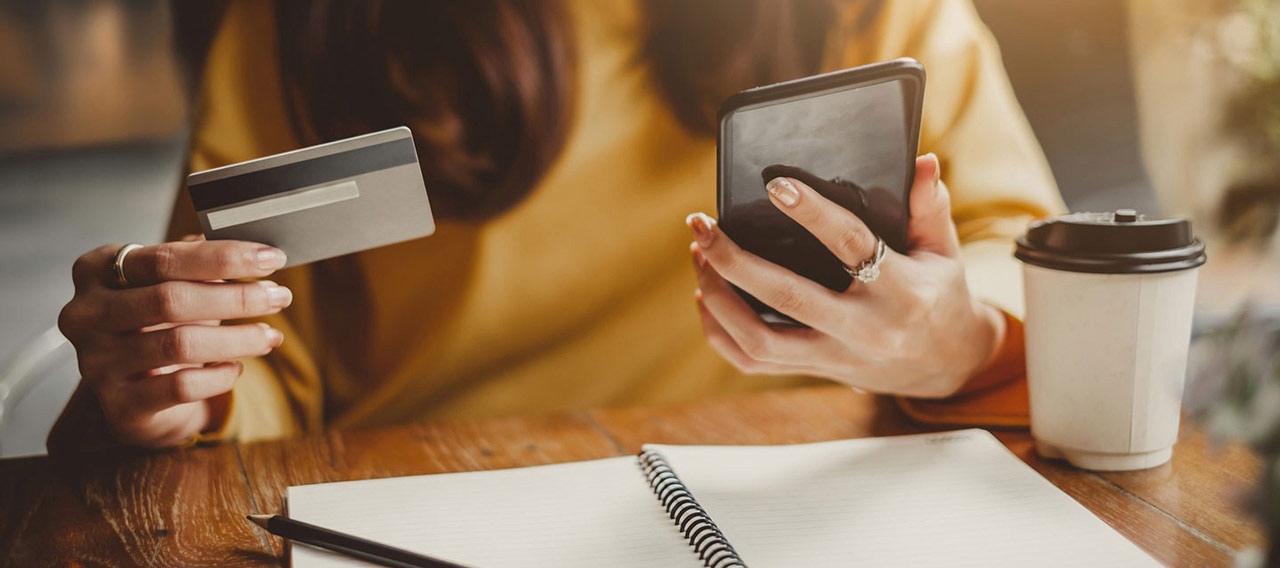
A little online shopping never hurt anyone…or did it? Most free public Wi-Fi networks have very few security measures in place, which means others using the same network could easily access your activity. You should wait until you’re at home or on a secure, password-protected network before whipping out that credit card.
4. Watch out for links and attachments
Cybercriminals are sneaky, and will often compose their phishing scams to look like legitimate communications from a bank, utility company, or other corporate entity. Certain things like spelling errors or a different email address than the typical sender can be a clue that the email is spam.
5. Check to see if the site is secure
Before entering personal information into a website, take a look at the top of your browser. If there is a lock symbol and the URL begins with “https,” that means the site is secure. There are a few other ways to determine if the site is trustworthy, such as a website privacy policy, contact information, or a “verified secure” seal.
6. Consider additional protection
Install anti-virus software, anti-spyware software, and a firewall. For additional protection, you may want to consider cyber insurance, which can keep you and your family safe if you fall victim to a cyberattack. At Chubb, our experts are ready to evaluate your cyber vulnerabilities, help cover fraudulent charges, and ensure your family has the resources you need to recover emotionally, too.
Insights and expertise

8 ways to safely travel abroad

6 steps to prepare for an earthquake

Protect your home from wind and wind-driven rain
This document is advisory in nature and is offered as a resource to be used together with your professional insurance advisors in maintaining a loss prevention program. It is an overview only, and is not intended as a substitute for consultation with your insurance broker, or for legal, engineering or other professional advice.
Chubb is the marketing name used to refer to subsidiaries of Chubb Limited providing insurance and related services. For a list of these subsidiaries, please visit our website at www.chubb.com. Insurance provided by ACE American Insurance Company and its U.S. based Chubb underwriting company affiliates. All products may not be available in all states. This communication contains product summaries only. Coverage is subject to the language of the policies as actually issued. Surplus lines insurance sold only through licensed surplus lines producers. Chubb, 202 Hall's Mill Road, Whitehouse Station, NJ 08889-1600.