
- Individuals & Families
- Businesses
- Partners & Agents

Your home is more than bricks and mortar. It’s full of memories and you're reflected in every detail. So if you experience a claim, you’ll most likely want your life back, and to rebuild without hassles, headaches, or delay.

Designed to cover you and your family in the event of accident-related injuries and disabilities.

Because pets are family. Chubb now offers pet insurance.

We know that innovative products go hand in hand with superior service. At Chubb, we offer a range of value-added services and customised solutions for that added advantage to meet various needs.

Chubb leverages superior underwriting expertise and world renowned claims, account services, and financial strength to offer solutions for small and medium businesses.

Today's multinational organizations face complex and interconnected risks. We offer insurance solutions that are tailored to global needs as well as local requirements, helping them address their risk management challenges.

Chubb has a proven track record of maximising ancillary revenue for more than 120 business partners across the globe.
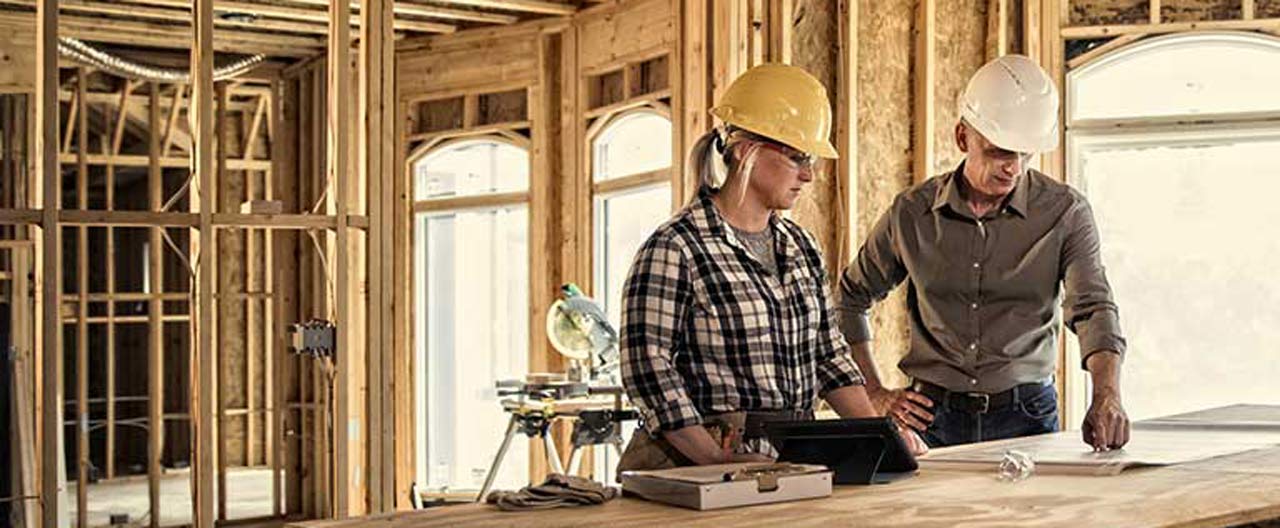
If you’re planning a home maintenance or renovation project, don’t let your dreams go up in smoke before the work is finished. Fire—including spontaneous combustion—poses a real and dangerous risk.
To avoid potential fire hazards, homeowners can educate and supervise all contractors to ensure all precautions and measures are considered. Safeguard your home by sharing these 9 simple fire safety tips with your contractor, or other workers.
1. Discard oily rags properly.
Oil- and solvent-soaked rags will spontaneously combust, even under normal weather conditions; the warmer the weather, the quicker the rags can reach ignition temperature. Used rags or wiping cloths should NEVER be allowed to pile up around the house.
2. Safely store products and supplies.
Paints and solvents should not be kept near heat-generating equipment or vehicles.
3. Keep the work site clean and dispose of materials properly.
Waste material, packing materials, wood shavings must be removed daily. DO NOT:
- Use fires as a disposal method.
- Ball up, pile, stack or fold any wiping cloth, rag, towel, drop cloth, steel wool or piece of work clothing that becomes moistened or wet due to contact with a solvent-based material.
- Toss used rags into a trash can or plastic bucket.
4. Know what flammable materials are being used.
Ask that all flammable paints be kept off the site if possible.
5. Initiate a no smoking policy.
Smoking is the single most common cause of fire-related fatalities. This also applies to e-cigarettes and vaping devices.
6. Ensure there is a fire extinguisher on site.
Make readily accessible firefighting equipment such as fire extinguishers, hoses, hydrants and emergency water tanks—and make sure everyone knows how and when to use it. Water extinguishers should not be used on electrical fires, for example.
7. Implement a fire alarm procedure.
In the event of a fire, determine who will be responsible for calling the fire department, who will deal with the fire, and who will set the evacuation plan in motion.
8. Follow gas cylinder safety protocols.
If gas cylinders are being handled, ask that they are safely secured in an upright position and fitted with a regulator and flashback arrester.
9. Implement “hot work” guidelines.
Hot work involves working with ignition sources near flammable materials, such as welding, soldering and cutting. Make sure your building team clears the work area of combustible material and that wooden floors are properly covered before doing any hot work.
If you would like to find out more on how you can protect your home, leave your contact details via the 'Contact Me' button below and our representatives will get in touch with you.
Insights and expertise



No part of this article may be reproduced in any written, electronic, recording, or printed form without written permission of Chubb.
Disclaimer - The content of the above article is not intended to constitute professional advice. Although all content is believed to be accurate, Chubb Insurance Singapore Limited (Chubb) makes no warranty or guarantee about the accuracy, completeness, or adequacy of the content of this article. Users relying on any content do so at their own risk.